Airport Fits That Flex: Layering for the Plane’s Wild Temperature Swing
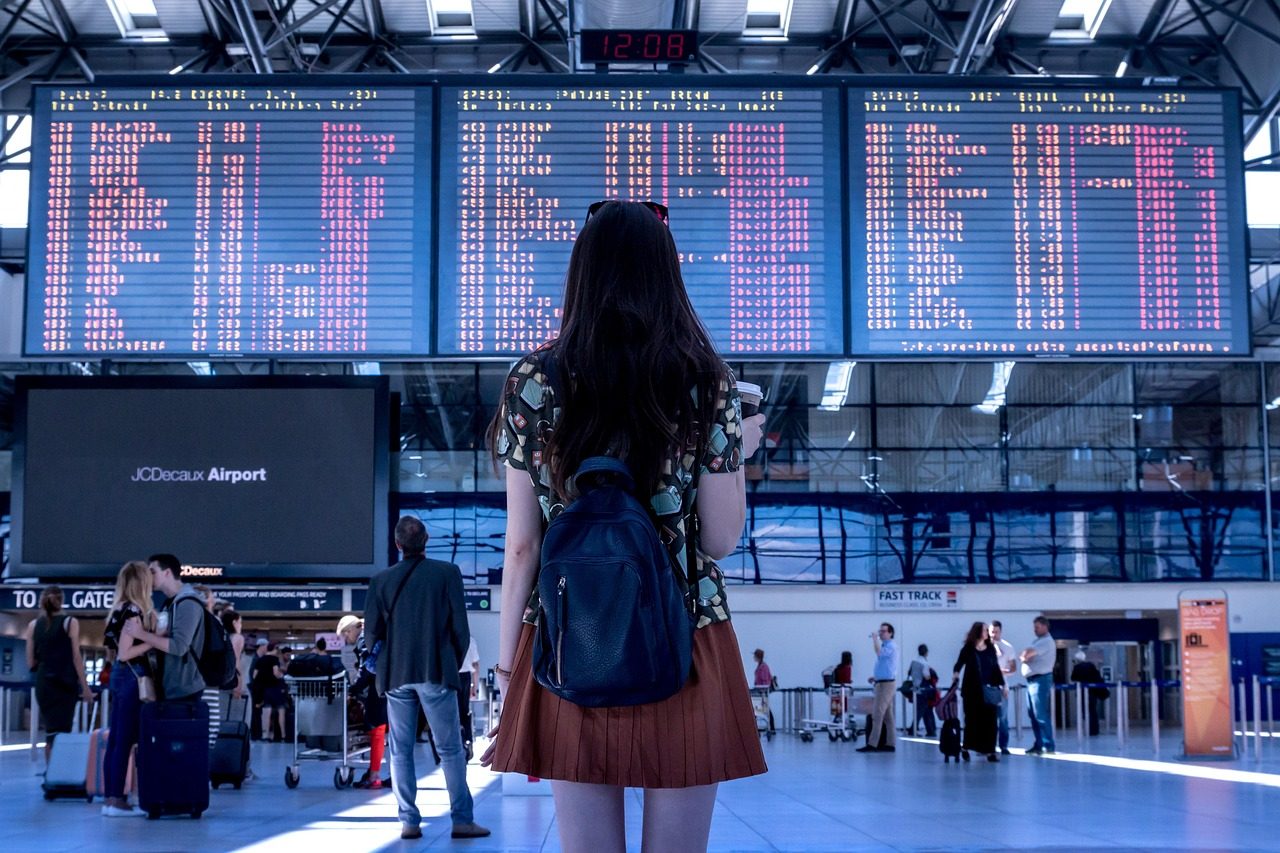
Swag in the wild is surviving real life and still looking like you planned it. Airport fits that flex are a whole sport. One minute you are freezing in security. Next minute you are sweating on the plane like a human microwave. The trick is layers. Not random laundry-pile layers. Smart layers move with the temperature swing and keep your fit clean. Get this right, and you walk through the airport like the main character, not a sleepy person dragging a blanket.
Start with a base layer that feels good and does not get weird after hours. A plain tee is elite. Pick one that fits how you like, not too tight and not a tent. Cotton is easy. A light long-sleeve tee is a cheat code because it blocks cold air but still breathes. Skip scratchy or heavy stuff. You want a base that can live under a hoodie and still look okay if you take the hoodie off. Neutral colors like black, gray, or white make the fit easier. If you want a little pop, do it with a graphic tee or bright socks. Keep the base simple so your layers do not fight.
Next is the mid layer, the real MVP of the plane temperature swing. A hoodie is classic for a reason. It is soft, easy to take off, and can become a pillow. A zip-up hoodie is even better because you can open it when the plane gets warm and zip it when the air turns into an ice box. Avoid big bulky sweaters that take up your whole bag and make your seat feel cramped. The mid layer should be easy to shove into your backpack and easy to put back on. It should match your base so you do not look like you got dressed in the dark. If you want extra flex, pick a small logo, but do not go wild. The plane is not a runway, but your fit can still be fire.
Then you need an outer layer for the airport and the first cold blast. A light jacket is perfect. A bomber, thin puffer, denim jacket, or soft shell can work. The key is easy to carry. If it is too big, it will be annoying. If it is too thin, it will not help. A packable puffer is a big brain move because it folds small and gives real warmth. A denim jacket is more style than warmth, so wear it when the forecast is mild. The outer layer should look good over your mid layer. If it feels stiff, leave it. Airport fits that flex need to move.
Pants matter too, because your legs feel the swing. Sweatpants are comfy, but not all look sharp. A clean dark pair can look intentional. Joggers with a good shape are easy. Jeans are fine if they have some stretch. Avoid super thick pants that make you hot in the terminal. Avoid super thin pants that make you cold on the plane. A loose fit can be cool, but make sure it does not drag on the floor. The goal is comfort. Your pants should work with your shoes and layers so the whole fit feels put together.
Shoes and socks are low-key important. Airports mean a lot of walking, and security means shoes come off. Slip-on shoes are easy. Sneakers with socks are the safest and most swag. Pick clean sneakers that match your fit. Socks should be comfy. Do not wear shoes that need ten minutes to tie or that hurt after five steps. Your feet are not trying to be a hero. They are trying to get you to the gate.
Accessories finish the airport fit. A backpack beats a big purse because it keeps your hands free. Bring a cap for bad hair and extra shade. Sunglasses are a classic airport flex. A small scarf adds color and warmth. The final rule is to layer for change, not one temperature. Wear your heaviest piece on the plane or tie it to your bag. Keep the mid layer easy to remove. Make sure your base looks good on its own. When the plane goes from ice box to sauna, you are ready. Layers give you power over the temperature swing. Use them, and walk off that plane looking fresh and super comfy.