Fabric Quality Checks at a Glance: How to Spot a Good Dupe Before It Falls Apart
You’re scrolling through a haul and see a jacket that looks just like the expensive one. The price is low, the pics are clean, and the comments are yelling “need.” But before you smash buy, look at the fabric. A dupe can look fire online and turn into a hot mess after one wash. The good news is you don’t need to be a fashion scientist to check fabric quality. You just need to slow down for a minute and use your eyes and hands. At a glance, fabric can tell you if a piece is worth your cash or if it’s giving “trash bag with a logo.”
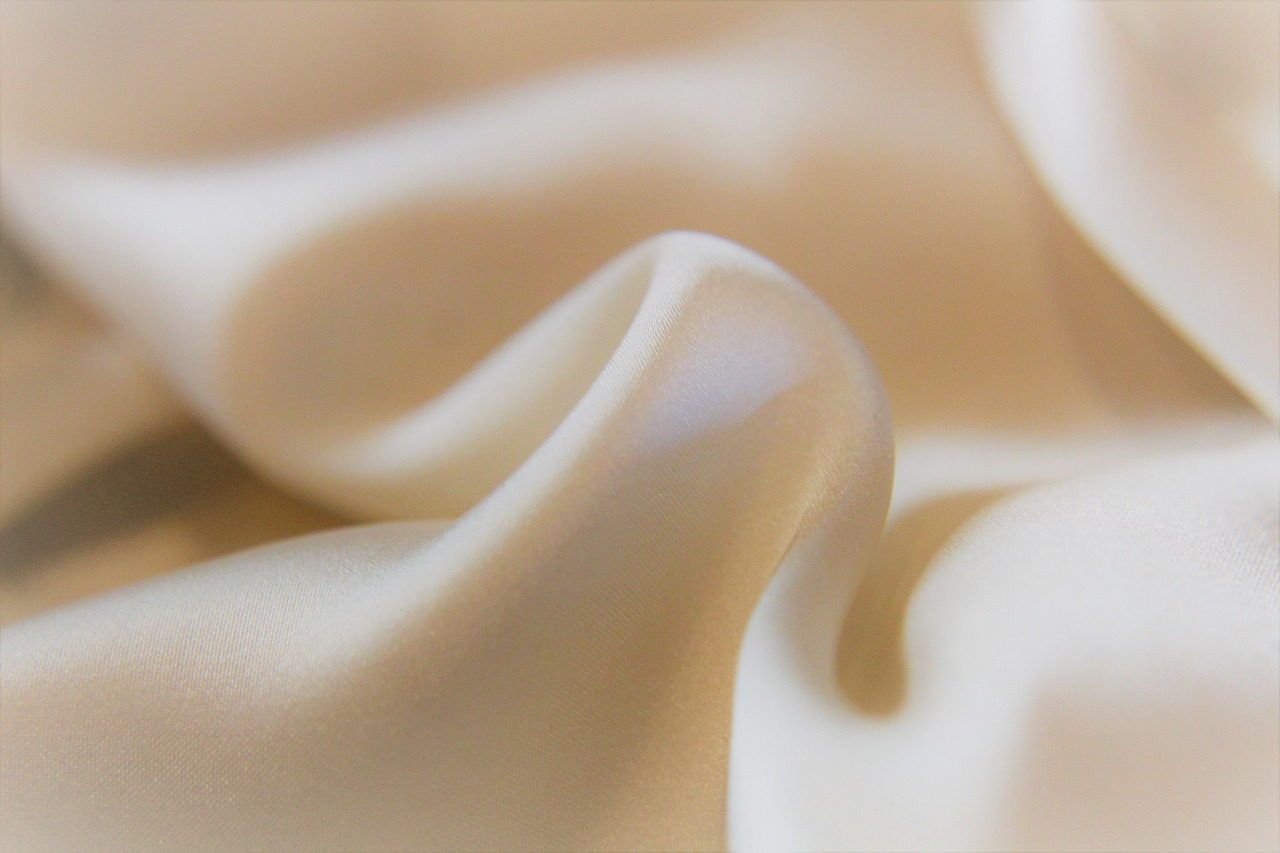
First, touch it if you can. Real quality fabric usually feels smooth, soft, or sturdy in a way that matches what it is. If a hoodie is supposed to feel cozy but it feels scratchy like a dish towel, that’s an ick. If a silky top feels slippery in a cheap way and sticks to your skin, it might be sweaty in five minutes. If denim feels paper-thin and crackly, it will probably lose shape fast. Your hands are like a free quality scanner. Squeeze the fabric, rub it a little, and see if it feels like something you’d actually want on your body for hours.
Next, check the stretch and bounce back. Pull a small part of the fabric gently and let it go. Good stretchy fabric snaps back and doesn’t stay stretched out like a sad balloon. If the fabric leaves a weird bump or looks wavy after a light pull, it’s a red flag. That means the fit might get baggy in the wrong places. For dupes, stretch matters big time because cheaper fabric can stretch out after one wear and never recover. You want clothes that move with you, not clothes that give up by lunch.
Look at the weave and the surface. Hold the fabric up to light. Can you see through it way more than you should? Sheer is fine when it’s meant to be, but a T-shirt that shows your whole phone screen through it is sus. Check for tiny snags, loose threads, or weird shiny spots. Run your fingers over it. If it feels bumpy or rough in a bad way, it might pill fast. Pilling is those little fuzz balls that show up under arms and on thighs. A quick rub test can hint at that. If the fabric starts looking fuzzy after a light rub, it’s probably not built for long-term love.
Then peek at the seams and edges. Flip the piece inside out. Seams should look neat, not like they were chewed by a gremlin. Look for straight lines, even stitching, and no big gaps. If threads are hanging loose everywhere, the outfit might fall apart in the wash. Check the hem and cuffs too. Thin, floppy hems can roll up and look messy. A good dupe doesn’t need to be perfect, but it should look like someone cared when they made it. Also check the inside lining on jackets or skirts. If the lining feels plasticky and stiff, you might sweat. If it’s smooth and moves with the outside fabric, that’s a win.
Don’t sleep on weight and drape. Drape just means how the fabric hangs. Hold the piece up. Does it fall nicely, or does it stick out like cardboard? A heavy hoodie can feel expensive, but too heavy can feel stiff. A light top can be airy, but too light can feel flimsy. Give it a little shake. If it moves like a plastic bag, maybe leave it. If it flows and feels balanced, it might be a solid budget find. If it feels like it could rip when you sit down, that’s not a steal, that’s a trap. Trust your gut fr.
Finally, smell it and think about washing. A weird chemical smell can be a warning, though sometimes it fades. Think about color, too. Rub a light-colored cloth on a dark area to see if color transfers. Check the care label in simple terms. If it says hand wash only and you know you won’t, maybe skip it. A dupe that survives real life is the real glow-up. Your budget deserves clothes that look good and hold up. Check the fabric first, then let the fit and price hype you up.