Gym Fits That Actually Work Out (Not Just Look Good in the Mirror)
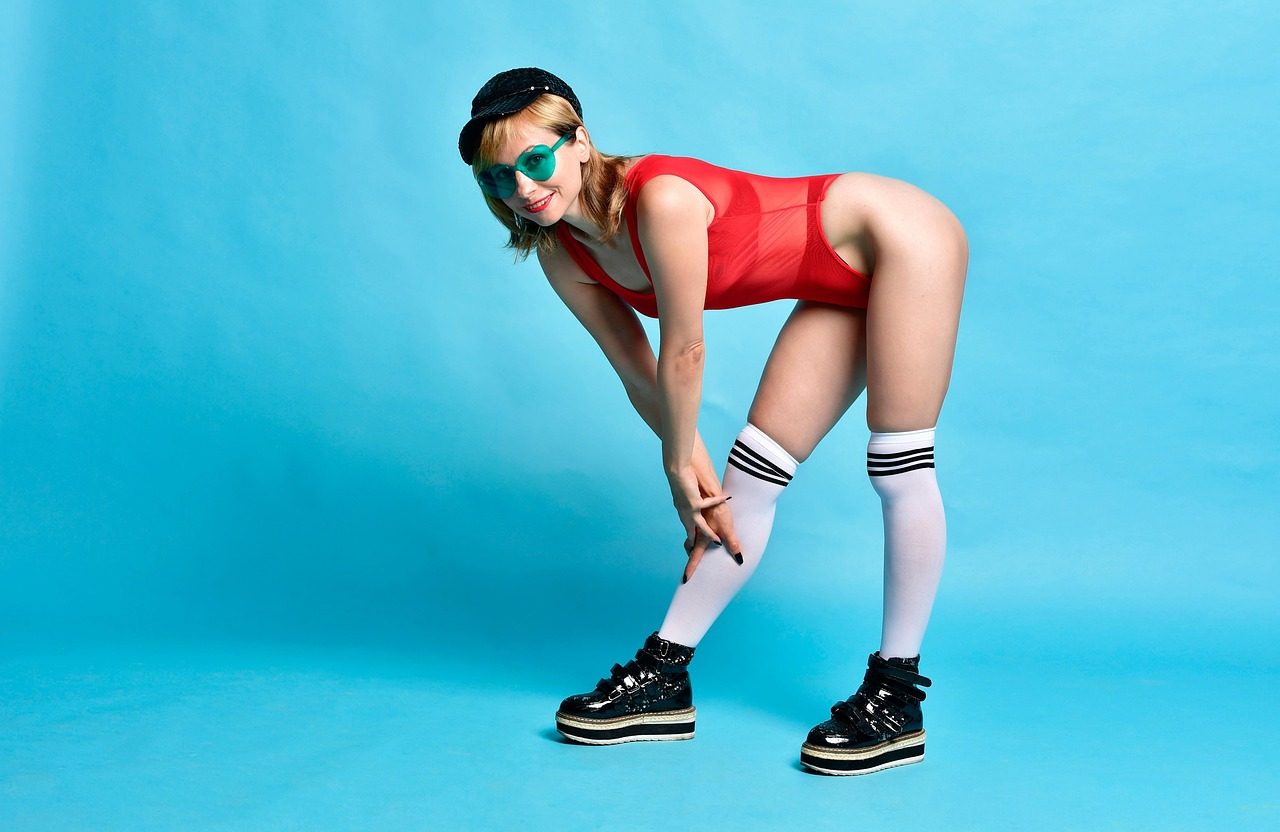
A gym fit is not a costume. If your top is fighting for its life during a warm-up, that’s not swag. That’s a warning sign. The real move is picking clothes that can handle sweat, squats, stretches, and the walk from the car when you forgot your earbuds. You want to look like you belong there, but you also need to move like you actually plan on doing something. The best gym fit is the one that lets you forget about your clothes and focus on the set in front of you.
Start with the fabric. This is the whole game. Cotton can be cool for chilling, but in the gym it can soak up sweat and stay wet like a sad towel. Look for stuff that feels light and dries fast. You don’t need a science class to test it. If the fabric feels heavy, stiff, or plastic, it might turn your workout into a bad time. If it feels scratchy or traps heat, leave it on the rack. Stretchy joggers and shorts that move with you are way better than jeans that say no to leg day. The same goes for tops. A tee that lets air in and doesn’t stick to your back after two minutes is a win. If you’re doing a lot of arm stuff, a shirt that rubs under your arms is an instant ick. Comfort is not extra. It’s the basics.
Fit matters more than the logo. A huge shirt can get in the way when you’re trying to row or lift. Super tight clothes can feel like they’re holding you hostage. You want room to move but not so much room that your shirt becomes a parachute. Shorts should stay put when you squat, run, or climb. If you have to keep pulling them down every five seconds, they are not it. Leggings and joggers should bend with your knees and not go see-through when you stretch. That’s a real test. Do a quick squat, reach, and lunge in the fitting room or your room before you commit. If the fit fails the basic movement test, it’s going to fail at the gym too.
Shoes are part of the fit, and no, you can’t just wear whatever and hope for the best. Running shoes are built for forward motion. Lifting shoes or flat, stable shoes are better for heavy squats and deadlifts. If you’re doing a mix of cardio and weights, pick shoes that feel steady and don’t slide around. Socks matter too. Thin socks plus sweaty shoes equal blisters, and blisters are not swag. Pick socks that fit snug and don’t bunch up. It’s a small thing until your foot is mad at you.
Layers are your friend if your gym is cold at the start and hot after five minutes. A light hoodie or zip-up you can take off is way better than wearing a giant coat and cooking inside it. Keep it simple. The goal is not to carry a whole closet around. One layer you can ditch is enough. Also, check your pockets. Keys, phones, and headphones bouncing around can mess up your focus. A small bag or a secure pocket helps you lock in without losing your stuff.
Sweat happens. It’s not a flaw. It’s proof you did the work. Pick colors and fabrics that can handle it. Some light gray shorts turn into a whole situation after a hard set, and nobody needs that stress. Darker colors and thicker fabrics can hide sweat better. Also, wash your gym clothes for real. Don’t leave them in a bag overnight and then act surprised. A clean fit smells better, feels better, and keeps your skin happier.
The biggest rule is simple. Your gym fit should help you move, not make you worry. If you feel comfy, steady, and ready to put in work, that’s the swag. You don’t need the most expensive stuff or a whole matching set. You need clothes that pass the squat test, the sweat test, and the “I can focus on my set” test. That’s the fit that actually works out. Your future self will thank you.