

How to Spot Fake Heat: The Hype Beast Moves That Expose Fake Sneakers
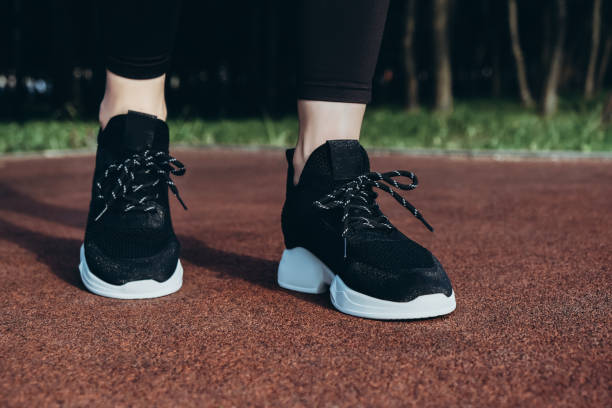
You ever see someone rocking kicks that look fire, then you get close and it’s giving sad pancake energy? That’s fake heat. Real heat makes people turn their heads for the right reason. Fake heat makes people squint and whisper, “Are those even real?“ The hype beast moves are not about being mean. They are about knowing what you’re looking at so you don’t get played or walk around looking sus. Fake sneakers are everywhere, and some are lowkey good. But good fakes still slip up. You just gotta know where to look.
The first move is checking the shape. Every famous sneaker has a certain silhouette. The toe box should not look like a brick. The heel should not lean like a tower about to fall. The ankle collar should hug the foot, not gap open like a mouth. If the shoe looks puffy in weird spots or flat where it should pop, that’s a red flag. Even if the color is right, bad shape kills the vibe.
Next, look at the stitching. Real sneakers usually have clean lines. The stitches should be even, tight, and not all over the place. If you see loose threads, crooked rows, or glue marks dripping like hot sauce, pause. Too much glue around the sole or toe is a sign something is off. If the shoe looks like it was put together during a food fight, don’t trust it.
Then check the logo. Logos are where fakes get exposed fast. The swoosh, the Jumpman, the three stripes, or the logo on the tongue should match the real thing. Lines should be smooth. Shapes should be clean. Letters should not look like they were drawn by a tired robot. If the logo is too fat, too thin, too high, too low, or just looks weird, that’s a clue. You don’t need to be a pro to feel when something is off. Your eyes know.
The box and tags matter too. A lot of people only look at the shoe. But the box can tell a story. Check the label. Does the style code match the shoe? Does the size look printed normal? Is the font clean? Fake boxes often have blurry text, wrong spacing, or cheap cardboard that bends like paper. Tags inside the shoe should also make sense. If the tag looks glued in wrong, has typos, or uses a weird font, that’s sus.
Smell is a real move. New shoes have a certain smell. Fake shoes sometimes smell like strong glue, paint, or straight-up chemicals. If opening the box makes your nose burn, that’s not fresh heat. That’s regret waiting to happen. It doesn’t mean every strong smell is fake, but it is one piece of the puzzle.
Price is another major clue. If someone is selling hyped sneakers for way less than they should cost, ask why. Sometimes you get a lucky deal. But if the price is too good, like a pair that usually goes for stacks being sold for lunch money, be smart. Scammers love to rush you. They say stuff like “last chance,“ “cash only,“ or “no questions.“ Real sellers with real heat don’t act like they’re hiding something. They want you to check the shoes and feel good about the buy.
The receipts and the story matter. Where did the shoes come from? Did they buy them from a real store, a trusted plug, or a random page with zero history? Do they have proof of purchase? Can they show the order? Do they let you inspect the shoes before you pay? If they get weird when you ask questions, that’s a red flag with flames on it. A real hype beast move is not being afraid to walk away. There will be other shoes. There will not be another wallet if you get scammed.
Finally, trust your gut. If something feels off, it probably is. You don’t have to be an expert to spot fake heat. You just have to slow down, look close, and stop letting hype make your decisions. Real heat is not just about the name. It is about the confidence you bring when you wear it. Fake heat can copy a logo, but it cannot copy that. So do your homework, ask questions, and protect your drip. That’s the hype beast move.
Articles