Keep Your Nails Clean: The No-Cap Guide to Not Spreading Gross Stuff
Your nails are tiny tools that touch everything. You use them to open snacks, scratch itches, type, and scroll. That means dirt and germs can chill under your nail tips. The real ick is when that stuff stays there and you bite your nails or eat with your hands. Keeping your nails clean is not just a glow-up move for your hands. It’s basic self-care and a big W for your health.
Start with the simple stuff: wash your hands with soap and water. Scrub your palms, between your fingers, and around your fingertips. Give your nails a little extra love by using a soft nail brush to clean under the tips. Don’t dig with a sharp tool; it can hurt the skin under your nail and let germs in. A soft brush and soap are enough. Wash for about twenty seconds, like one song chorus. Dry your hands all the way, too. Wet nails get soft and rip easier.
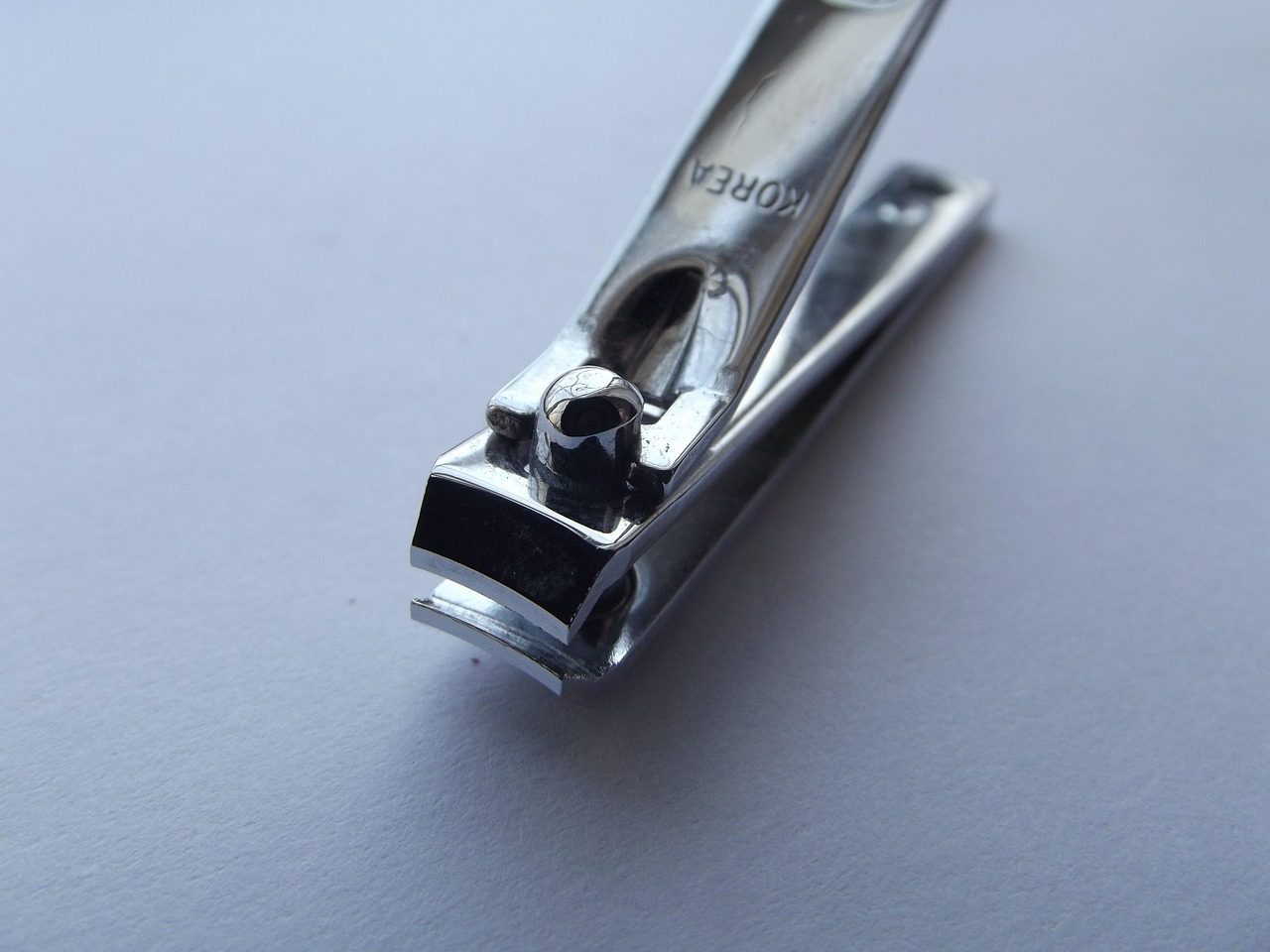
Keep your nails shorter if you want them easier to clean. Long nails can look cool, no cap, but they collect more stuff and are harder to scrub. Use clean clippers and cut straight across, then soften the corners a little. Don’t cut them super short because that can hurt and make your fingertips sore. File in one direction instead of sawing back and forth. Clean your clippers after you use them, and don’t share them with friends. Sharing nail tools is sus because germs can hop from person to person.
Your cuticles are the little skin borders around your nails. They are not the enemy. Don’t bite them and don’t cut them off. They help block germs from getting into your nail area. After a shower, when your skin is soft, you can gently push them back with a clean tool or your finger. If you get a hangnail, clip it with clean clippers instead of ripping it. Ripping it can make it bleed and hurt way more.
If you bite your nails, don’t beat yourself up. It’s a habit, and habits take time to change. Keep your nails short so there is less to bite. Try bad-tasting nail polish made for nail biting. Keep your hands busy with a fidget toy, stress ball, or gum. Notice when you bite most, like when you’re bored, stressed, or watching something. Put a sticky note that says “hands away” if that helps. Biting can make your fingertips sore and let germs into your mouth, so it’s worth working on. Progress is still progress.
Fake nails and polish are cool, but they need care too. Fake nails can trap water and gunk if they are not put on right. Don’t pick them off, because that can rip your real nail. Give your nails a break sometimes. Polish can hide dirt, so clean under your nails anyway. Remove chipped polish the right way instead of peeling it. Also, stop using your nails as tools. Use a can opener, a spoon, or a real tool. Your nails are not built for scraping or prying stuff open.
Public places are where germs love to hang out. Wash your hands after the bathroom, before you eat, and after you touch trash, animals, or gross surfaces. Hand sanitizer is okay when you can’t wash, but it doesn’t clean dirt off your nails. Soap and water are the main character. Don’t share nail files, clippers, or towels. If you go to a nail salon, make sure the tools look clean. If something seems off, it’s okay to ask questions. Your health is not the place to be shy.
Clean nails can still look crusty if your hands are dry. Use hand lotion and cuticle oil to keep the skin soft. Dry skin can crack, and cracks can let germs in. Wear gloves when you clean with strong stuff, and drink enough water. A tiny routine beats a huge routine you never do. Wash after the bathroom, scrub in the shower, keep tools clean, and keep your hands out of your mouth. Check your nails. If a nail hurts, changes color, swells, or smells weird, tell an adult or doctor. Your nails are small, but keeping them clean is a real flex.