Mom Jeans Are Back: How to Hunt Rare Vintage Denim Like a Pro

Mom jeans used to get clowned. People called them dad-ish, weird, and way too high. Now they are rare and vintage heat. That is the plot twist. The jeans your mom maybe wore in old photos are now the same fit people hunt for at thrift stores, flea markets, and online drops. Why are mom jeans back? Because they are comfy, they look good with almost everything, and they give off that “I woke up and still have drip” vibe. They are not trying too hard. That is exactly why they are fire.
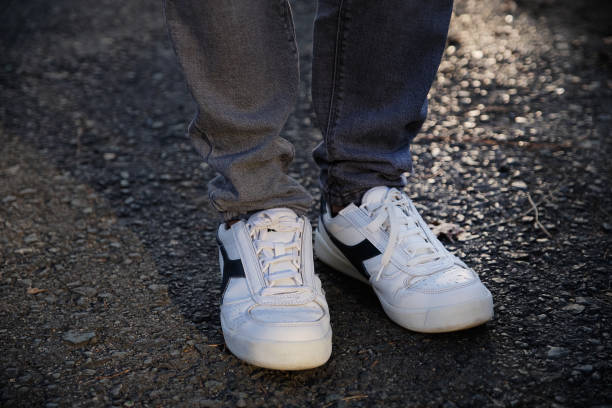
The comeback is lowkey about comfort. Skinny jeans can feel like they are squeezing your legs into a tube. Mom jeans are roomy in the right places. They sit high, so they hold everything in without feeling wild. You can eat a whole plate of fries and still breathe. That matters. Gen Z and Gen Alpha grew up seeing skinny jeans everywhere, so mom jeans feel fresh. They also fit the whole Y2K and 90s vibe that keeps showing up on feeds. Add a baby tee, chunky shoes, and a tiny bag, and the fit is done. No cap. Comfort is not mid. Comfort is the whole point.
But here is the real tea. Not every pair of mom jeans is rare and vintage heat. Some stores sell new jeans and call them “mom fit” just to jump on the trend. That is fine if you just want a cute pair, but it is not the same as finding real old-school denim. Real vintage mom jeans have a story. They have a heavier feel, a weird tag, and a shape that was made before everyone became obsessed with stretch. They can be harder to find, but that is what makes them a grail. If you find a pair that fits and has that old-school look, you just won the thrift lottery.
If you want to hunt vintage mom jeans, start with the tag. Look for old brand names, faded print, and tags that look like they came from another era. Check the inside for a care tag too. Old jeans often have simple fabric info. If the tag says a lot of stretch, they are probably newer. Vintage denim is usually mostly cotton and feels a little stiff at first. That stiffness is not bad. It means the jeans will mold to you after a few wears. Just do not force it. If they feel like plastic and smell like a chemistry lab, put them back. Your fit should not smell like a science project.
Next, check the details. Real vintage jeans often have small signs that show their age. Look at the zipper, the buttons, and the stitching. Old stitching can be a little uneven, and that is okay. It is part of the charm. Look at the pockets and the waist. Mom jeans should sit high and feel snug but not painful. If the waist gapes like a cave, you can belt them, but know what you are getting into. Also check the crotch and knees for thin spots. Vintage heat is cool, but holes where you do not want holes are not cool. A tiny rip can be a vibe. A huge blowout is a problem.
Size tags lie. Old jeans can be marked one size and fit like another. Always use your own measurements or try them on if you can. Online sellers should show flat measurements. If they do not, ask. A real seller will answer. If they get weird about it, that is a red flag. You do not need to get played over denim. Also remember that buying used clothes is better for the planet than always buying new. That is a bonus glow-up for your closet and your brain.
The best part about mom jeans being back is that style is yours again. You can wear them baggy, cuffed, with a crop top, with a hoodie, or with whatever feels right. Rare vintage pairs are not about following a rule. They are about finding a piece that no one else has and making it hit. So yes, mom jeans are back. They are comfy, they are fire, and they are not going anywhere. Go hunt a pair, check the tags, and trust your vibe.