Tailoring Cheap Clothes for a Custom Look: Swag on a Budget, Looking Rich Without Being Rich
Cheap clothes don’t have to look cheap. The secret isn’t a secret secret—it’s fit. You can buy a five-dollar shirt or ten-dollar pants and still look like you dropped way more if the clothes fit your body. That’s where tailoring comes in. Tailoring just means changing clothes so they fit you way better. It sounds fancy, but it’s a glow-up for fabric. And no, you don’t need a rich-kid budget to get it done. You need to know what to fix and how to ask without getting confused.
First, stop thinking “cheap” means “bad.” Some cheap clothes are great because they have good fabric. Look for stuff that feels okay, has strong seams, and isn’t already stretched out. Don’t grab something three sizes too big and hope for magic. You want clothes that are close to your size but not perfect. That’s the sweet spot. A shirt that’s a little loose, pants that are a tad long, or a waist that gaps a bit can all be fixed. That’s real budget swag. You’re not buying a new outfit; you’re making the outfit you already found look like it was made for you.
The biggest cheat code is pants. Cheap pants often look mid because they bunch up at the bottom or fit weird at the waist. A simple hem can change everything. Hemming just means cutting off extra length and sewing the bottom so it sits right on your shoe. If you don’t sew, a tailor can do it fast, and it usually costs less than a pizza. Getting the waist taken in is another easy win. If the pants fit your legs but slide down, a tailor can make the waist smaller. Boom: now they look sharp instead of sloppy. Same with sleeves. Long sleeves that swallow your hands make a cheap shirt look cheaper. Shortening them so they end at the right spot makes the whole fit look cleaner and more expensive.
Shirts are another place where tailoring goes hard. A cheap button-up can look rich if the shoulders fit and the body isn’t huge. You don’t want it super tight—just close to your body without pulling. A tailor can take in the sides so it looks less boxy. For tees, you might not need a tailor at all. Try a simple tuck, a quick roll, or a tiny bit of sewing. If a tee is way too long, you can shorten it. If it’s too wide, you can take in the sides. Keep it simple. The goal is not to make clothes look complicated. The goal is to make them look like they belong on you.
You also need to know how clothes should fit before you pay anyone. Shoulders should sit at your shoulders, not hang off. Pants should sit where you want them and not drag on the floor. Sleeves should end near your wrist. A jacket should close without pulling. Bring a friend or take a mirror pic. Move around. Sit down. Raise your arms. If it feels weird now, a tailor can fix some things, but not everything. Also, check the price before you say yes. A cheap fix is only worth it if the total still feels like a steal. Sometimes you can buy a better-fitting item for less. Be smart with your cash.
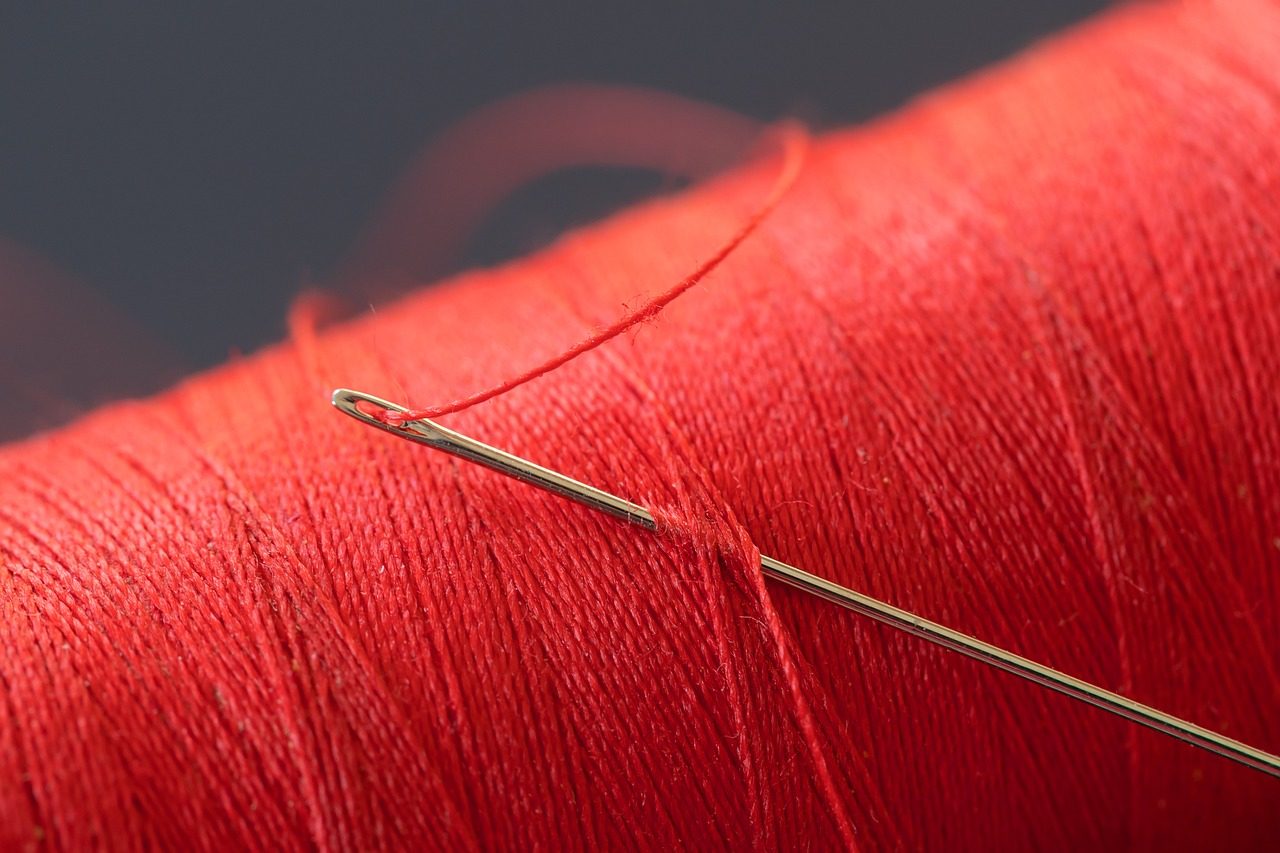
DIY can work too. You can learn to hem pants with a needle and thread or iron-on tape. You can fix a loose button. You can take in a waist a little with simple stitches. You don’t need to be a pro. Start with clothes you don’t love too much, then practice. YouTube is free. A small sewing kit is cheap. The more you practice, the more control you have over your look. And that’s real swag: not just wearing what everyone else wears, but making it yours.
Tailoring cheap clothes is like a life hack for looking rich without being rich. It’s not about logos or price tags. It’s about fit, clean lines, and confidence. When your clothes fit right, you stand different. You look put together. You look like you know something other people don’t. And you do: the fit is the flex. So hit the thrift rack, check the seams, find the close-but-not-perfect piece, and get it fixed. Your budget will stay happy, and your drip will level up.