Which Dupes Are Safe? A Swag on a Budget Guide to Copycat Shopping That Actually Works
Dupes are cheaper copies of stuff that costs more. Some are fire. Some are totally sus. The trick is knowing which categories are safe to copy and which ones can cost you more later. Safe means the dupe does its job, does not hurt you, and does not waste your cash. If a cheap copy has to protect your body, your data, or your home from danger, that is a big no. If it is just style, comfort, or cute vibes, you can probably shop smart and save.
Fashion basics are one of the safest dupe categories. Plain tees, socks, tank tops, hoodies, sweatpants, and simple dresses are mostly fabric and stitching. A cheap version can look good if the seams are clean and the fit is right. Check the zipper, buttons, and armpits. Give it a stretch. Look at photos from real buyers. Skip it if it smells like a chemical factory or feels like paper. A plain tee with clean stitching is a W. A hoodie with a broken zipper is a waste of coin. Basic layers are low risk because you can see and feel the problem fast.
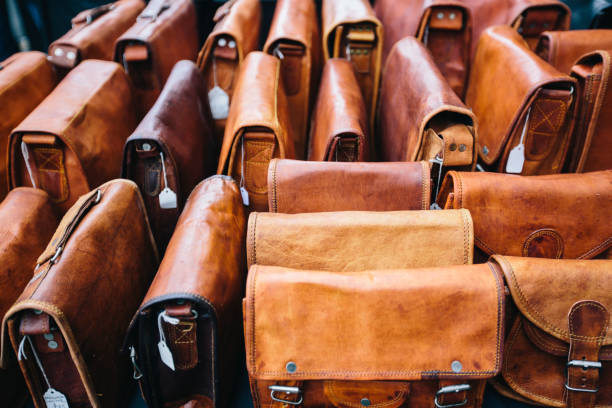
Accessories can be safe if they are not doing a safety job. Hats, beanies, belts, scarves, hair clips, and simple bags are usually fine to dupe. Check the straps and clasps. A bag that rips on day one is not a flex. Sunglasses need side eye. Cheap shades are only okay if they block UV rays. Dark lenses with no UV block can be worse than no shades, because your eyes get fooled. Jewelry can be safe too, but watch for green skin and itching. Nickel-free stuff is better. Phone cases are safe to copy if they fit your phone, do not block ports, and do not trap heat. They are style first, not a crash helmet for your phone.
Home decor is a strong safe zone when it does not plug in. Posters, frames, pillow covers, fake plants, vases, small organizers, and wall art are low-risk dupes. You can make your room look rich without going broke. Measure first. A tiny poster in a giant frame is a sad moment. Check the return policy. Skip decor that heats up, plugs into the wall, or needs strong wiring. A cheap lamp can be fine if it has a real safety mark, but a mystery lamp from a random shop is not worth the risk. Candles need care too. A cute candle can be a vibe, but a cheap one with weird smoke or a cracked jar is not. Keep fire stuff simple and safe.
School and desk stuff is mostly safe to dupe. Notebooks, pens, highlighters, folders, stickers, pencil cases, and desk organizers are good budget buys. If the pen writes and the notebook does not fall apart, you are good. Backpacks can be safe if the straps are strong and the seams are tight. Do not trust a paper-thin backpack with heavy books. Test the zipper. Pull the straps. Look inside for loose threads. Stationery is low-risk because the worst case is usually a broken pencil or a boring color. That is annoying, not dangerous.
The unsafe list is where cheap gets scary. Do not dupe skincare, makeup, sunscreen, acne cream, hair dye, or perfume. These go on your skin and can cause rashes, burns, or allergic reactions. Fake labels and mystery ingredients are not worth it. Do not dupe electronics or chargers either. Cheap chargers, batteries, power strips, and scooters can overheat or catch fire. If it plugs into the wall or charges overnight, buy from a brand you trust. Do not dupe baby gear, car seats, helmets, medicines, supplements, contact lenses, or anything that protects health and life. Those items have one job: keep people safe. A cheap copy can fail when it matters most.
The smart move is to test a dupe category with a small buy. Read reviews with real photos. Check the return policy. Compare the material and the size. Look for safety marks on anything with a plug, battery, or heat. Start cheap but not random. If the item breaks fast, smells weird, hurts your skin, or feels unsafe, send it back. If it works and looks good, you just found a budget cheat code. Safe dupes give you the look without the price tag. Unsafe dupes are a trap with a cute photo. Flex your style, not your risk.